


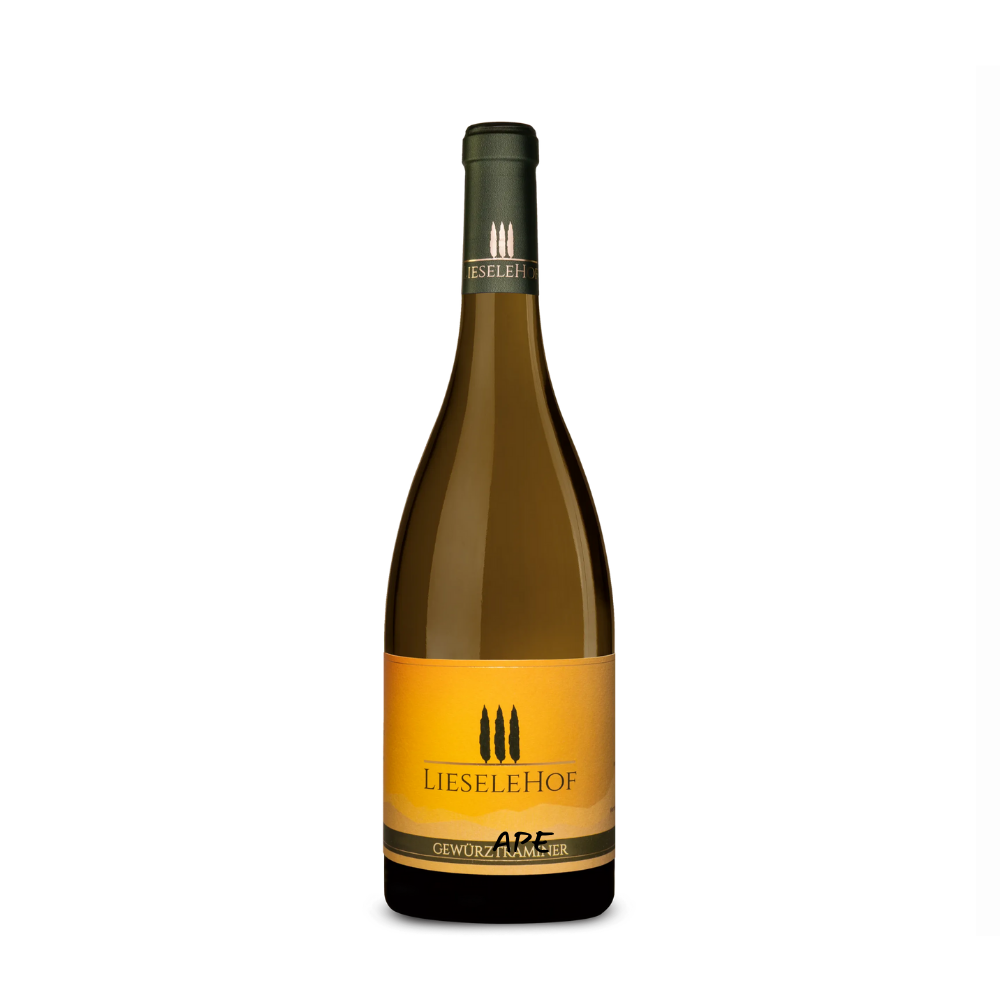
Julian 2022 Lieselehof
Original price was: 35,00 €.32,70 €Current price is: 32,70 €.
Julian – Lieselehof
A naturally resistant white wine with great aromatic complexity
The Julian by Lieselehof is a white wine made from a resistant grape variety developed in 1975 at the National Institute in Freiburg (Germany). It’s a cross between Bronner (Seyve-Villard 5-276 x (Riesling x Pinot Gris)) and (Zarya Severa x Saint Laurent). This hybrid does not require pesticide treatments and is naturally resistant to mildew and powdery mildew.
Vineyard and yield
The vine grows strong and upright, producing medium-sized clusters (2 to 3 per shoot). Careful pruning is required to limit yield to 1.5 kg per vine, ensuring excellent quality. Harvest begins in late September to early October, about a week after Pinot Blanc. Sugar levels at harvest are between 18.5–19.5° Babo.
Tasting notes
Julian offers fruity and honeyed aromas, with notes of lemon, tropical fruits, and a distinct Riesling-like character. On the palate, it is intense and full-bodied, with bright acidity, a mineral finish, and long-lasting persistence.
Food pairings
Excellent with seafood dishes, white meats, and spicy Asian cuisine. Also a great aperitif wine.
Lieselehof – Morandell Estate
Family roots and sustainable innovation
Lieselehof is a family-run winery based in Caldaro, at the foot of the Mendola Pass in South Tyrol. Founded in 1993 by the Morandell family on limestone and gravel soils between 250 and 1250 m a.s.l., it takes its name from “Liesele,” Elisabeth, the founder’s wife. Today it is managed by the second generation, Julian and Maximilian, and stands out for its focus on sustainability and innovation with disease-resistant PIWI varieties.
Organic viticulture and PIWI grape pioneers
A pioneer in Italy, Lieselehof was among the first wineries to adopt PIWI grapes—fungus-resistant varieties that eliminate the need for chemical treatments. The vineyards are certified organic, managed without herbicides or pesticides, with a deep respect for biodiversity and soil health. Yields are limited to 1.5 kg per plant to ensure high-quality, concentrated fruit.
A living vineyard museum
The estate hosts a remarkable Vine Museum, with more than 350 grape varieties from around the world. It is a unique biodiversity collection open to visitors. Lieselehof is also a wine resort and agritourism facility offering vineyard tours, tastings, and accommodation in eco-friendly apartments for a complete wine immersion experience.
Winemaking and style
In the cellar, vinification follows natural and non-invasive methods: spontaneous fermentations, no synthetic additives, and minimal filtration. The range includes crisp whites like Julian, elegant reds from Pinot Noir, orange wines from Solaris and Bronner, as well as traditional method and ancestral sparkling wines. The style is expressive, mineral, and structured—natural wines that age gracefully and reflect their alpine terroir.
You may also like…
Cirelli Pecorino 2022
Original price was: 14,50 €.13,50 €Current price is: 13,50 €.
