


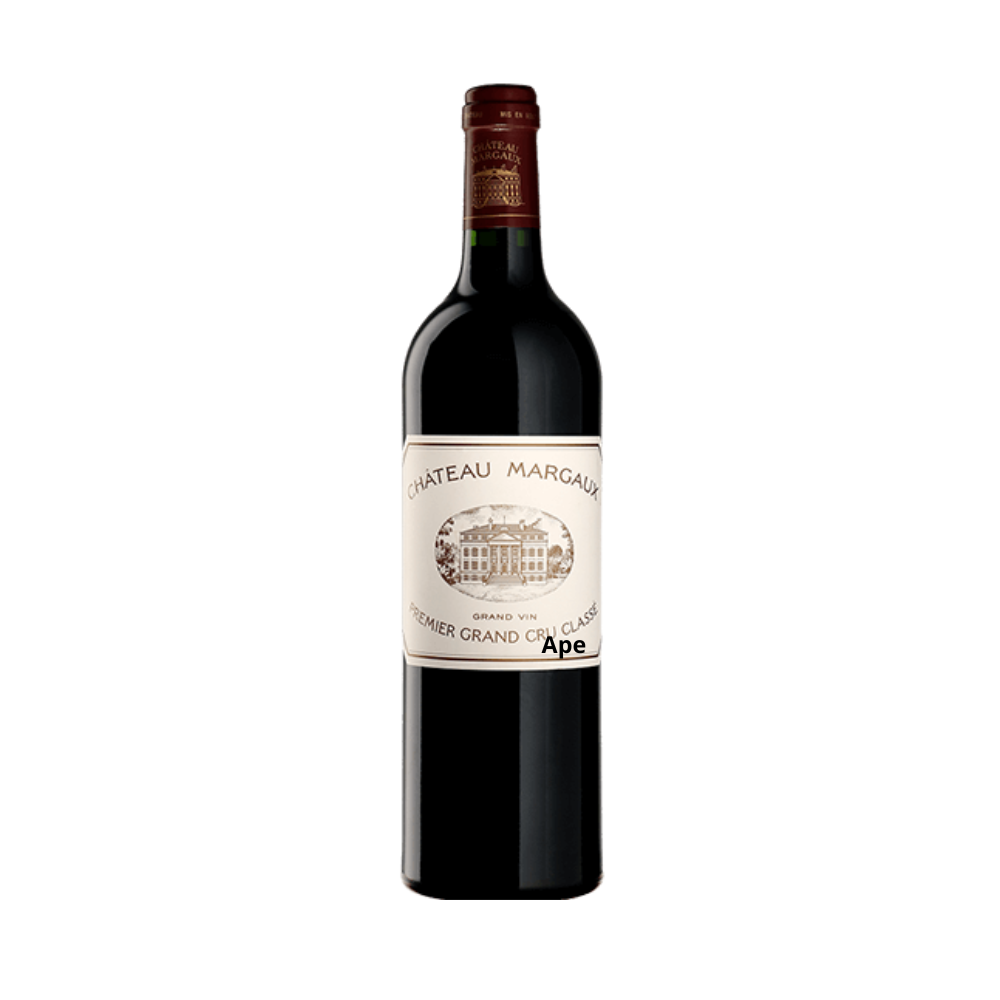
Chateau Margaux 1994 1er Grand Cru Classè
Original price was: 780,00 €.639,00 €Current price is: 639,00 €.
| Year | 1994 |
|---|---|
| Manufacturer | Chateau Margaux |
| Format | 75 Cl |
| Origin | Francia |
| Typology | Red Wine |
| Grape Variety | Cabernet Franc, Cabernet Sauvignon, Merlot, Petit Verdot |
| Label | Legendary, Wood |
Château Margaux: The Excellence of the Premier Grand Cru Classé from Margaux
Château Margaux is one of the most prestigious wines from Bordeaux, a symbol of elegance and refinement that represents the pinnacle of the Margaux appellation. Its aromatic finesse, balanced structure, and aging potential make it a global icon among the Premier Grand Cru Classé wines.
History and Philosophy
The origins of Château Margaux date back to the 12th century, but it was in the 17th century that the estate began to emerge as a producer of exceptional wines thanks to Pierre de Lestonnac, who transformed the agricultural lands into specialized vineyards. In 1855, during the official classification ordered by Napoleon III, Château Margaux earned the prestigious title of Premier Grand Cru Classé, a distinction that confirms its unparalleled quality.
In 1977, the estate was purchased by André Mentzelopoulos, a Greek entrepreneur who initiated a significant modernization phase while maintaining a commitment to tradition and absolute quality. Today, under the leadership of his daughter Corinne Mentzelopoulos, Château Margaux continues to combine innovation and respect for the terroir.
Grape Composition
The Grand Vin of Château Margaux is a refined cuvée that reflects the extraordinary quality of the terroir. Its main composition includes:
- Cabernet Sauvignon (75-85%)
- Merlot (10-20%)
- Cabernet Franc and Petit Verdot (approximately 5%)
The grapes come exclusively from the historic vineyards of the estate, which cover approximately 82 hectares of gravelly soil, ideal for high-quality viticulture.
Winemaking and Aging
The winemaking process at Château Margaux is characterized by meticulous care and deep respect for the terroir:
- Fermentation: Takes place in wooden and stainless steel vats to preserve aromatic purity.
- Malolactic fermentation: Conducted in barrels to soften acidity and add complexity.
The wine is aged for approximately 18-24 months in French oak barrels (with more than 60% new oak), providing structure and elegance.
Tasting Notes
Château Margaux stands out for its grace and depth, offering a complex and seductive sensory profile.
Color: Deep ruby red with garnet reflections, evolving into warmer tones with aging.
Aroma: Elegant and layered, with aromas of ripe black fruits (blackcurrant, blackberry), violet flowers, sweet tobacco, cedar, and a refined mineral touch. With aging, notes of truffle and leather emerge.
Taste: Broad and silky, with velvety tannins and a vibrant acidity. The finish is long and persistent, with hints of sweet spices, licorice, and refined earthy notes.
Food Pairings
Thanks to its complexity and structure, Château Margaux pairs beautifully with rich and sophisticated dishes:
- Red meats: Beef fillet, veal chop
- Game: Roast duck, venison
- Aged cheeses: Comté, aged Pecorino
Serving Temperature
To fully appreciate its nuances, Château Margaux should be served at a temperature of 16-18°C (60-64°F), after decanting for at least 2-3 hours.
Conclusion
Château Margaux embodies the essence of Bordeaux refinement: an extraordinary wine that encapsulates centuries of history and savoir-faire. Its aging potential and elegance make it an undisputed symbol of the Premier Grand Cru Classé, perfect for special occasions and enriching the most prestigious collections.
Only 2 bottles left in stock – contact [email protected] for any info
See all products of Chateau Margaux
The history of Château Margaux dates back to the 12th century, when the estate was known as “La Mothe de Margaux,” referring to a small hill in the Médoc region. However, it was in the 17th century that the estate began to distinguish itself in the wine world, thanks to Pierre de Lestonnac. Between 1572 and 1582, Lestonnac reorganized the estate, converting the agricultural land into vineyards, recognizing the extraordinary potential of the terroir. This visionary approach made Château Margaux one of the first specialized wine estates.
In the 18th century, Château Margaux achieved international fame under the leadership of Bertrand Douat, Marquis de la Colonilla. He commissioned the construction of the neoclassical château, an architectural icon that still stands today. During this period, Château Margaux wines became highly sought after by European royalty, including Thomas Jefferson, future President of the United States and a notable admirer of Bordeaux wines.
The official consecration came in 1855, when Château Margaux was classified as one of the four Premier Grand Cru Classé under the Bordeaux Wine Official Classification ordered by Napoleon III. This recognition confirmed its status of excellence and reinforced its global prestige.
In the 20th century, Château Margaux faced challenges due to the world wars and economic crises. However, in 1977, the estate was acquired by André Mentzelopoulos, a visionary Greek entrepreneur. Under his guidance, a new era of modernization began: advanced vinification techniques were introduced, the vineyards were restructured, and a focus on uncompromising quality was established.
After André’s untimely death in 1980, his daughter Corinne Mentzelopoulos took over the leadership of Château Margaux, preserving her father’s vision. Under her management, the estate has continued to innovate while respecting tradition. Key initiatives include adopting sustainable and organic practices, renovating the cellars, and introducing a second wine, Pavillon Rouge, to maintain the highest quality standards for the Grand Vin.
Today, Château Margaux represents a perfect balance of history, tradition, and innovation. The estate continues to produce wines that embody elegance, finesse, and longevity, ensuring that every bottle reflects the unique identity of the terroir and the legacy of over 500 years of history.