


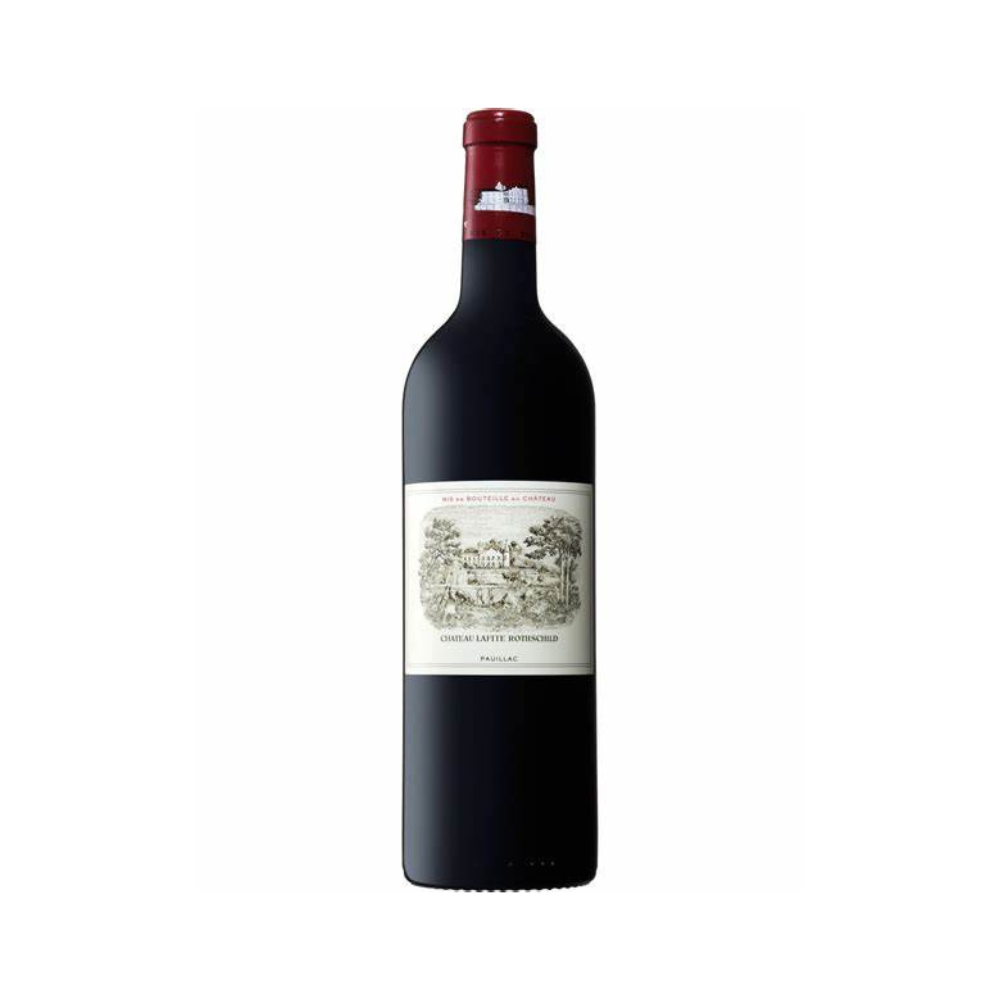
Chateau Lafite 2014 Pauillac 1er Grand Cru Classè
Original price was: 1.100,00 €.979,00 €Current price is: 979,00 €.
| Year | 2014 |
|---|---|
| Manufacturer | Chateau Lafite |
| Format | 75 Cl |
| Origin | Francia |
| Typology | Red Wine |
| Grape Variety | Cabernet Franc, Cabernet Sauvignon, Merlot, Petit Verdot |
| Label | Legendary, Wood |
Château Lafite Rothschild 2014: The Elegance of a Timeless Pauillac
The 2014 vintage of Château Lafite Rothschild is a remarkable example of the estate’s ability to express finesse, complexity, and depth even in classic vintages. This wine, born from the prestigious gravelly soils of Pauillac, is a masterpiece of balance, structure, and potential.
History and Philosophy
Château Lafite Rothschild stands as one of the most iconic names in Bordeaux and the world of fine wine. Classified as a Premier Grand Cru Classé in 1855, Lafite has always been synonymous with excellence and refinement.
Under the ownership of the Rothschild family since 1868, the estate has remained committed to sustainable viticulture, precision in the vineyard, and restrained yet powerful winemaking. The 2014 vintage reflects this heritage, showcasing the precision and elegance that define Lafite.
The Vineyard and Terroir
Located in the northernmost part of Pauillac, Château Lafite benefits from deep gravel soils over limestone—a terroir that promotes excellent drainage and grape ripening. The vineyard is divided into three main areas: the plateau around the château, the Carruades plateau to the west, and a third area adjoining Château Mouton Rothschild.
The estate covers over 100 hectares planted primarily with Cabernet Sauvignon, which thrives in this environment, producing wines with great ageing potential and aromatic purity.
Vinification and Ageing
The 2014 vintage was marked by a cool summer followed by an exceptional Indian summer, which allowed the grapes to ripen fully. Harvest took place from September 22 to October 10, under ideal conditions.
Fermentation took place in traditional oak vats, followed by aging in 100% new French oak barrels for about 18–20 months. As always, the wine was crafted with minimal intervention, allowing the character of the vintage and terroir to shine through.
Tasting Notes
Colour
Deep ruby with garnet reflections, showing youthful vibrancy and clarity.
Aroma
The nose opens slowly, revealing layers of blackcurrant, graphite, cedar, tobacco leaf, and delicate floral hints. With time, the bouquet becomes increasingly complex.
Palate
On the palate, the wine is silky, precise, and remarkably balanced, with fine-grained tannins and a long, persistent finish. Flavours of dark berries, spices, pencil shavings, and earthy minerality unfold with elegance and grace.
This is a wine that can be approached now with proper decanting but will reward cellaring for decades.
Food Pairings
Roast lamb or veal
Aged hard cheeses (Comté, Manchego)
Duck breast with truffle jus
Wild mushroom risotto
Classic French cuisine such as beef bourguignon or pigeon en croûte
Technical Sheet
Wine: Château Lafite Rothschild
Vintage: 2014
Appellation: Pauillac AOC, Bordeaux, France
Classification: Premier Grand Cru Classé (1855)
Grape Varieties:
Cabernet Sauvignon (87%)
Merlot (10%)
Cabernet Franc (3%)
Alcohol Content: 12.5% vol
Vinification: Fermentation in traditional oak vats
Aging: 18–20 months in 100% new French oak barrels
Serving Temperature: 16–18°C
Cellaring Potential: 30+ years
Format: 750 ml
Availability: Limited
See all products of Chateau Lafite
Château Lafite Rothschild: A Legend of Bordeaux Winemaking
Château Lafite Rothschild is one of the most renowned and revered names in the world of wine. As one of the five First Growths (Premier Cru Classé) from the historic 1855 Bordeaux Classification, it stands as a symbol of excellence, elegance, and tradition. Its story stretches back centuries and is deeply intertwined with the history of the Médoc region and the evolution of fine winemaking in France.
The Origins: From the Middle Ages to the 17th Century
Early Mentions of “Lafite”
The name “Lafite” was first mentioned in the 13th century. Derived from the Gascon term “la hite”, meaning “the hill,” it refers to the elevated location of the estate—an essential feature for quality viticulture.
The Ségur Family and the Birth of Greatness
In the 17th century, the estate came under the ownership of the Ségur family, known for their deep commitment to viticulture. Jacques de Ségur played a key role in cultivating vineyards and laying the foundation for Lafite’s growing reputation.
The 18th Century: An Era of Prestige
A Royal Favorite
The 18th century marked a turning point for Château Lafite. Under the stewardship of Marquis Nicolas-Alexandre de Ségur, often referred to as the “Prince of Vines,” the wines of Lafite gained enormous popularity at the court of Versailles. King Louis XV and Madame de Pompadour were among its notable admirers.
International Acclaim
At the same time, Lafite wines were making waves beyond France. The estate’s wines became highly sought after in England and the American colonies. Thomas Jefferson, later the third U.S. president, was a well-documented fan.
The 19th Century: From Recognition to Rothschild
The 1855 Classification
In 1855, during the Exposition Universelle in Paris, Emperor Napoleon III commissioned the official classification of Bordeaux wines. Château Lafite was placed at the top as a Premier Cru Classé, sharing this elite rank with Margaux, Latour, and Haut-Brion (Mouton Rothschild joined in 1973).
The Rothschild Acquisition
In 1868, Baron James de Rothschild, a prominent figure of the famous banking dynasty, purchased the château. From that moment forward, the estate was known as Château Lafite Rothschild, cementing its legacy under the Rothschild family’s stewardship.
The 20th Century: Challenges and Renewal
Surviving the Storms
Lafite endured the many trials of the 20th century, including two World Wars, economic downturns, and the phylloxera crisis. Despite these challenges, the estate preserved its standing through careful management and a strong commitment to quality.
Modernization and Vision
In the post-war years, particularly from the 1970s onward, Éric de Rothschild led a major modernization effort: renovating cellars, updating vineyard practices, and embracing scientific advancements—all while maintaining the classical style of Lafite wines.
The 21st Century: Excellence and Sustainability
A Global Icon
Today, Château Lafite Rothschild is a global symbol of luxury and tradition. The Rothschild family has expanded their wine ventures to Chile, Argentina, and China, yet Lafite remains the crown jewel of their portfolio.
Environmental Responsibility
Recent years have seen the estate deepen its commitment to sustainable viticulture, including organic practices, reduced chemical use, and a strong focus on environmental preservation—ensuring the vineyard’s health for generations to come.
Conclusion
Château Lafite Rothschild is far more than just a wine—it is a piece of living history. With its noble heritage, unwavering quality, and commitment to excellence, it continues to inspire wine lovers and collectors worldwide. Each bottle tells the story of a château that has defined the very essence of fine Bordeaux.